

For NCC27 we are following a slightly different format for programming on the Saturday afternoon of the event:
There will be two 45-minute blocks of time, during which you can attend a breakout session led by one of our guest speakers; you will have choice between two sessions for each breakout block (see schedule below). Priority will be given attendees who pre-register for breakout sessions at the same time they complete their NCC27 Eventbrite registration – room hosts may be able to admit others last-minute if there are available seats.
There will also be 5-minute Ted-style talks happening in the Community Climate Fair space during these blocks. Attendees are welcome to drop-in and listen to any of these brief talks by local organizations.
Finally you may opt to opt-out – and instead drop-in to one of our two “un-conference” spaces: the Creating Climate Resilience art space or the Inner Resilience Lounge (IRL) — scroll down to the bottom for details.
Breakout Block 1: 1:45 - 2:30
Breakout Session 1A
The Prepare Framework: Build Trust, Engage Communities and Turn Concern About Climate Change into Action
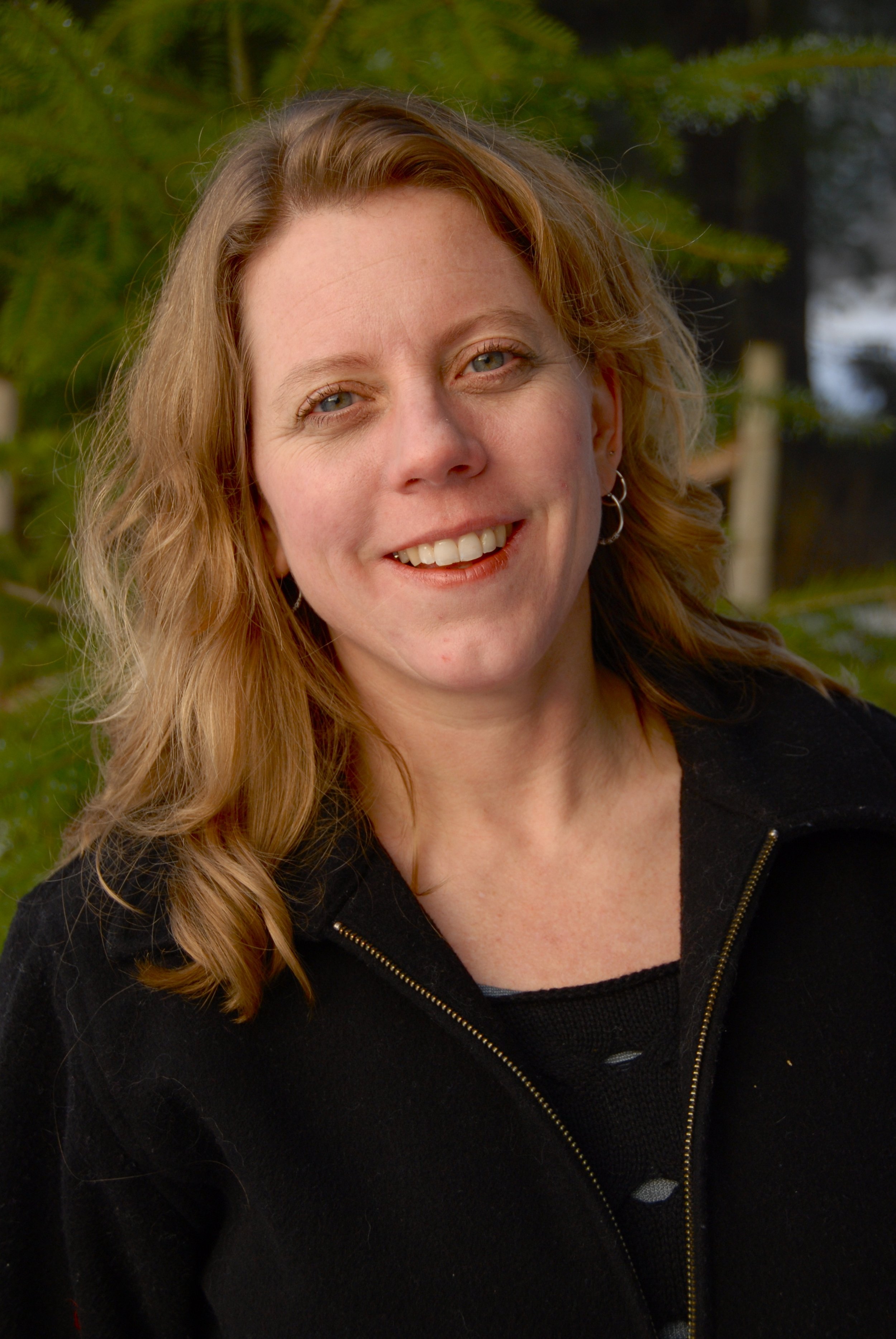
Cara Pike, Founder & Executive Director of Climate Access
Climate change is making extreme weather disasters more frequent and intense, but there are barriers to preparing Canadian communities for this reality. The Prepare Framework is a roadmap for anyone working in adaptation that will help them create a sense of trust, agency and care in their communities, three essential components for moving concern to action.
Breakout Session 1B
Nature: The Medicine We All Need
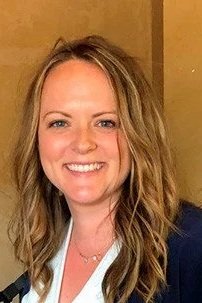
Jean Buckler, Associate Professor, Exercise Science, Physical and Health Education University of Victoria
Do you know that spending time in nature can decrease blood pressure, boost your immune system, support reductions in mental health symptoms, and more, without any side effects? That's right - nature! In this breakout session, you will learn about the health benefits of nature, and also discuss what barriers exist to equitable access to nature across our community. We will map Nanaimo to find out how access to nature differs depending on neighbourhood, and brainstorm ways to overcome barriers so that those most in need of nature in our community can reap the benefits.
Breakout Block 2: 2:45 - 3:30
Breakout Session 2A
Beyond Preparedness: Building Community Resilience in a Changing Climate
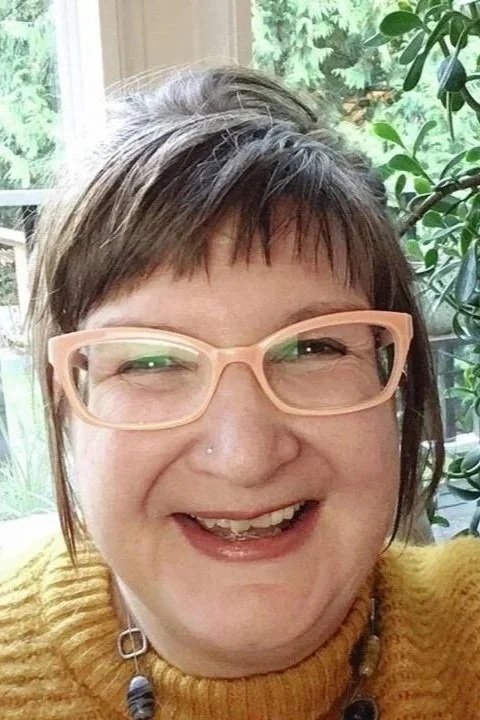
Darlene Gage, Executive Director, Transition Salt Spring
What does it take to create a community that can weather climate emergencies and emerge stronger? Drawing on Transition Salt Spring’s experience translating its ambitious Climate Action Plan into local action, this session explores how neighbourhoods can work with local emergency experts while also pursuing their own preparedness, connections and capacity to respond. Discover practical approaches to mobilizing neighbours, strengthening local support networks, and helping natural ecosystems adapt and become more resilient to climate impacts such as wildfire, drought and extreme weather. What lessons could Nanaimo put into action?
Breakout Session 2B
Growing Resilience: How Local Food Systems Can Help Us Adapt to a Changing Climate
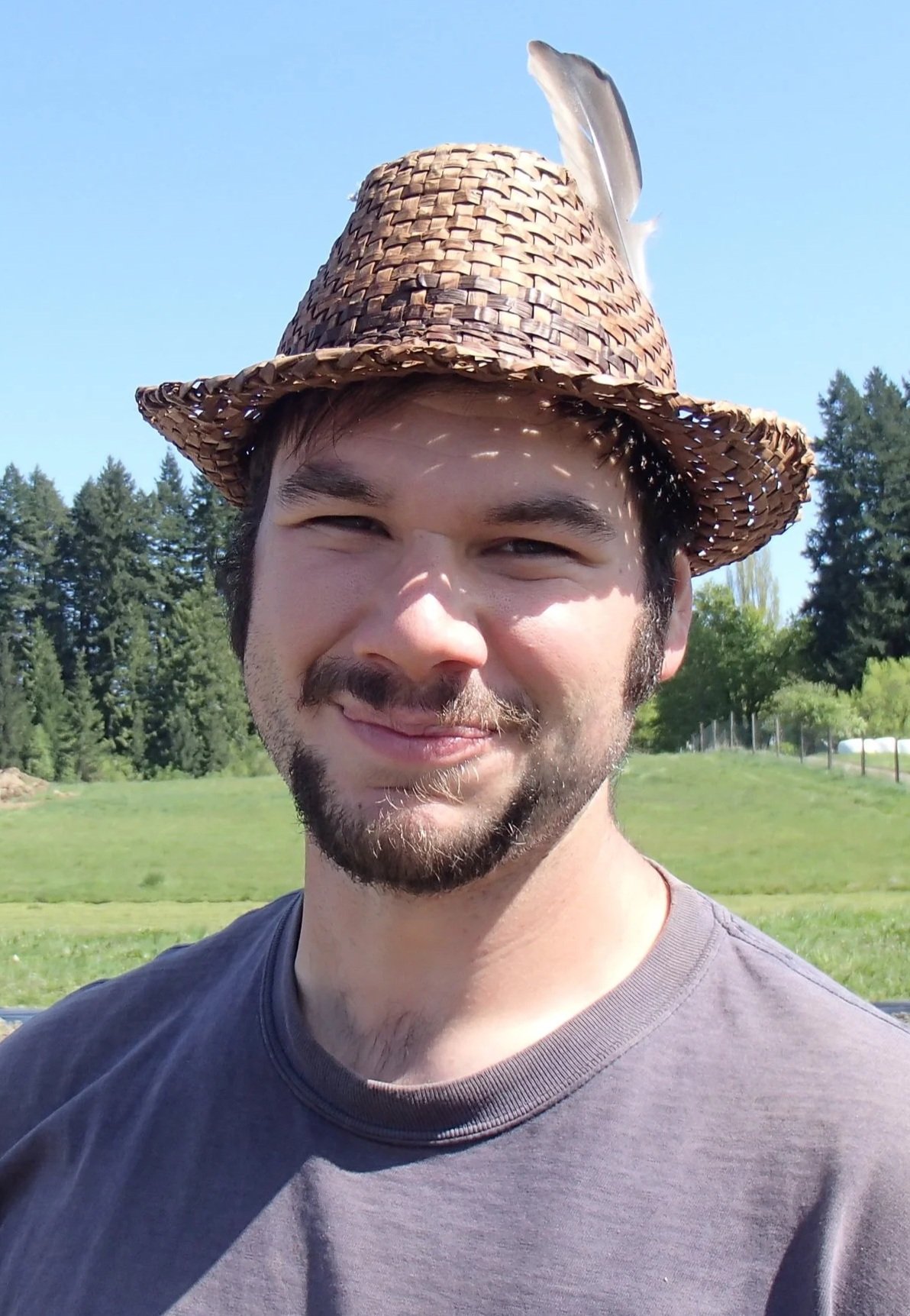
Moderator: Chris Brown (aka Farmer Brown), Urban Farmer, Educator and Local Food Advocate
Panelists: Jen Cody, Connie Kuramoto, Shelby Drope
How can growing, sharing, and supporting local food help us build more resilient communities in a changing climate? In this interactive community conversation that will start with a panel discussion between local leaders in food security and sovereignty, biodiversity, climate-adapted growing and community building. By the end of the workshop participants will:
1. Understand how local food systems contribute to climate adaptation and community resilience.
2. Explore practical actions that individuals, neighbourhoods, and communities can take.
3. Identify barriers that make local food initiatives difficult to implement and consider ways to overcome them.
4. Discover connections, resources, and opportunities for collaboration.
5. Leave committed to at least one action you feel inspired and equipped to act on.
Creating Climate Resilience Artmaking Drop-In
make art make art make art make art make art make art make art make art make art make art make art make art make art make art make art make art make art make art make art make art make art make art make art make art make art make art make art make art make art make art make art make art make art make art make art make art make art make art make art make art make art make art make art make art make art make art make art make art make art make art make art
The Inner Resilience Lounge: A Space to Pause, Process, and Restore
Climate work, while deeply meaningful, carries a heavy emotional weight. During the conference, enter this quiet sanctuary designed for conference attendees to step back from the urgency of panels and policy discussions to reconnect with yourself.
Whether you have five minutes between sessions or need a ½ hour to decompress, you are invited to drop in and engage in whatever way feels most supportive:
Rest & Retreat: Give your nervous system space to settle and recharge in comfortable chairs and yoga mats, soft natural lights, and calming soundscapes
Move & Meditate: Take part in a scheduled, gentle 15 - 20 minute somatic sessions that include mindful movement, breathwork, and visualization – to release physical tension and re-ground into the present moment.
Process & Connect: Speak quietly with a trained RCC or peer facilitator (scheduled times), or simply sit in the supportive, judgement-free company of others.
Come as you are, take what you need, and leave feeling steadier and more connected.