

Contributed by Maureen Manning, NCAH member and volunteer with NCC27 planning committee
What does it really mean to build resilience in the face of major climate change events?
The campaign to promote Nanaimo Climate Connections 2027 (NCC27) launched just as a series of powerful winter weather systems arrived this month, leading to sudden ferry cancellations, downed trees, record rainfall and power outages across Nanaimo and the mid-island region. Residents braced for the impact of storms that brought higher-than-usual winds and rainfall, turning some local streets into rivers as storm drains clogged with fallen debris. This follows a summer of stage 2 water restrictions imposed locally to address prolonged drought conditions raising the fire risk and depleting local water reservoirs.
The phrase “new normal” is heard among people struggling to keep up with sudden, severe weather changes — making repairs to roofs, clearing debris from storm drains, storing drinking water, stocking up on non-perishables, batteries, candles, and using back-up generators as stop-gap measures while waiting on repairs to damaged power lines. But what we’re experiencing here in the mid-island region is not normal. It’s the result of decades of unchecked emissions from cars, buildings, industry and other greenhouse gas sources here and around the globe.
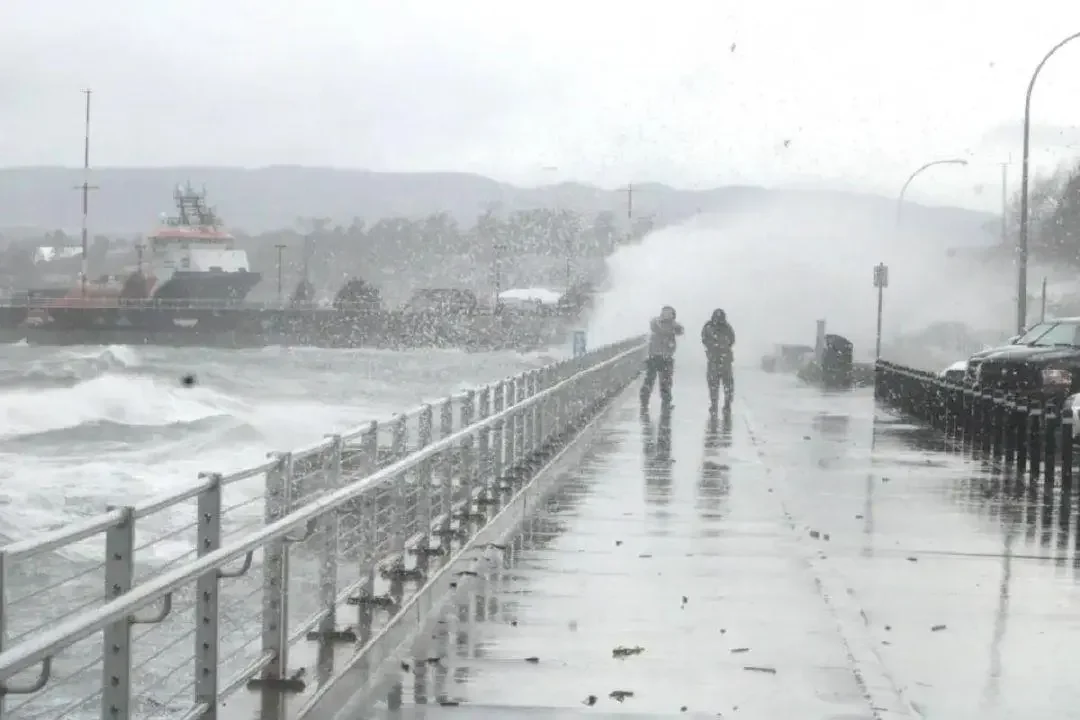
Source: Nanaimo Bulletin, November 6th, 2026
Residents planning and preparing together to meet these new threats
Taking measures to reduce emissions remains a necessary response to the crisis. But those who monitor weather and climate events are now calling on communities to act collectively to plan coordinated responses to reduce the more devastating impacts of these events. It will not be governments or politicians who answer the call when a tree falls on your garage. Neighbours will be relying on each other to ensure the needs of the most vulnerable are met during a crisis. Stories of cooperative efforts to rescue stranded people and pets ,and attempts to shore up properties in the path of advancing storm surges, floods and fires make up much of the news we read and listen to today.
The message of NCC27 is a clear and urgent one: Individual members of communities across the mid-island region must act together to prepare for increases in the severity and frequency of extreme weather events like the ones we’ve seen this past week. We must work together to address even greater threats of wildfires, floods, and landslides that have wreaked havoc in other communities across BC in recent months.
This region hosts many skilled, creative, talented and determined people. Collectively they have the capacity to challenge this notion of the “new normal” and take tangible actions that make it possible to face the reality of the climate crisis with courage, knowing that each member of every community has a part to play in responding to the call.
Resilience means taking time to plan at home within our own families so that everyone knows and understands what actions must be taken and what role each member can play in meeting basic needs for shelter, food, and water. Planning means delegating tasks in advance of major weather events. It means creating emergency contact lists and outlining a plan to communicate with loved ones in other regions should the need arise for an evacuation due to large-scale events like wildfires.
Identifying community-based needs and collective skills for responding to events
Resilience is both individual and collective. It means identifying specific capacities for responding to crisis and developing skills that can contribute to your own and other’s security and safety in times of crisis, and in the aftermath of a catastrophe. The growing climate crises calls on everyone to think about how they might contribute to their own wellbeing and that of others on their streets. It means taking stock of who lives nearby, who may be in need of more help, and how you might assist them should the need arise.
Are there seniors living alone on your street? Are there people who lack a means to escape their apartment or condo safely and might need assistance? Is there anyone that could supply tools or equipment to remove a fallen tree that’s suddenly stranded a neighbor? Are you or any of your neighbours trained in first aid, or have a medical background? Is there anyone who could take up the task of checking on and clearing of storm drains in advance of a coming rainstorm? Do you have people to turn to if you experience the loss of your home to a fire or flood?
These questions and many others will form part of the discussions and information shared at Nanaimo Climate Connections 2027 taking place January 29th and 30th at Bowen Park Complex in Nanaimo. Participants will include groups like the local Repair Café and Strong Towns Nanaimo. This free event kicks off with a keynote address from Canada’s foremost climate activist and scientist Dr. David Suzuki, co-founder of the David Suzuki Foundation. Registration for the event opens on November 27th, so be sure to check back here.